

By LI Biao
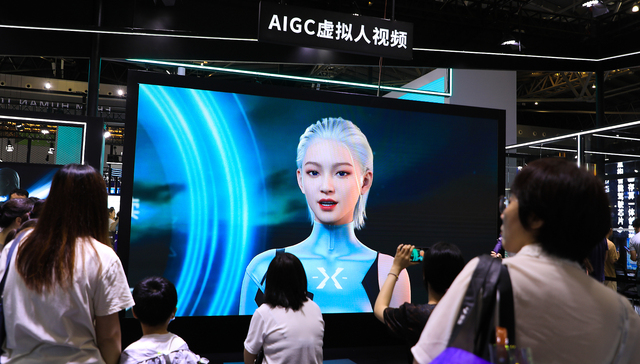
Virtual humans are AI-driven digital characters with human-like appearances (albeit on a screen) and interactions.
Virtual idols and Vtubers are considered virtual humans by some. In the past few years, non-interactive virtual humans and virtual humans controlled by real-life actors have made little impression in any marketplace.
The production cost of these traditional virtual humans is high. The upfront investment for a high-level virtual character averages around 30 million yuan (US$4 million), not including shooting, voice acting and editing costs. And most definitely without real-time interactions.
Generative AI has changed all that and with extensive pre-training on vast amounts of data virtual humans can now engage in some interaction in real-time, and can be mass-produced.
The key lies in applications such as digital assistants and analysts, helping people improve efficiency.
Internet security company Qihoo 360 has used a virtual human in marketing, generating tens of millions of yuan in revenue since the beginning of the year. In the marketing industry, both traditional media and internet advertising have stagnated. In need of breakthroughs, virtual humans may prove the way forward.