

By HUANG Hua, MA Yue
On July 14, the World Health Organization declared that aspartame should be categorized as “possibly carcinogenic to humans,” but it said that a daily intake under 40 milligrams per kilogram of body weight would not do much harm.
Aspartame is one of the most commonly used artificial sweetening chemicals and is found in thousands of products like diet sodas and sugar-free gum.
PepsiCo, one of the world’s largest soda makers, made its attitude toward aspartame clear, even before the WHO report. PepsiCo’s CFO Hugh Johnston told Reuters on July 13 that the company had no plan to change its recipes.
“By far the weight of the scientific evidence suggests that aspartame is safe as an ingredient, and obviously has the benefit of being zero calorie,” said Johnston.
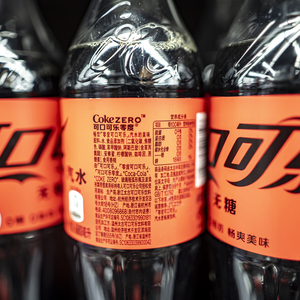
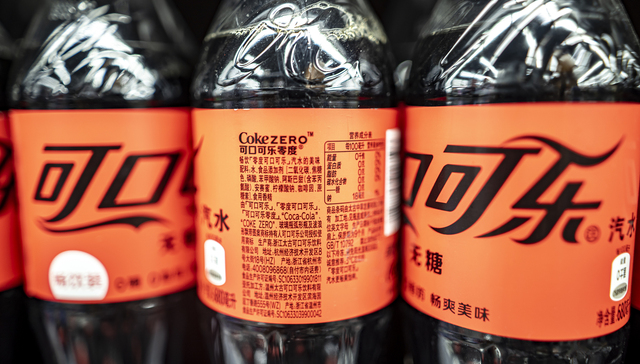
Coca-Cola declined to comment.
Many Chinese companies, on the other hand, have drawn a line with aspartame. Beverage maker Yuanqi Yuanqisenlin, known for its diet sodas, said none of its products contain aspartame. Jiajia Food Group makes condiments and said the company has never used aspartame.
The International Agency for Research on Cancer (IARC) roughly classifies carcinogens into five categories, including Group 1 (carcinogenic to humans), Group 2A (probably carcinogenic to humans), Group 2B (possibly carcinogenic to humans), Group 3 (not classifiable as to its carcinogenicity to humans), and Group 4 (probably not carcinogenic to humans). Aspartame is categorized as 2B.
The distinction between Group 2A and Group 2B is that Group 2A carcinogens have limited evidence of carcinogenicity in humans but sufficient evidence of carcinogenicity in experimental animals, while Group 2B carcinogens have limited evidence of carcinogenicity in humans and insufficient evidence of carcinogenicity in experimental animals, or they have inadequate evidence of carcinogenicity in humans but sufficient evidence of carcinogenicity in experimental animals.
GU Zhongyi of the Beijing Nutrition Society told Jiemian News that the relationship between carcinogenic substances and cancer is not simple. Reaching a certain threshold does not necessarily mean getting cancer, just as not reaching the threshold does not mean you will not get cancer.
GAO Jian, head of nutrition at Shanghai’s Zhongshan Hospital, said that despite what the WHO said, "possibly carcinogenic" does not mean that aspartame is a cancer risk, only that it might be. After almost 50 years in the food chain, "more research" into the chemical is needed.
RUAN Guangfeng of Science Communication on Food and Nutrition shared a similar view using not-as-bad-as logic. He said aspartame was not as bad as alcohol. Alcohol is a Group 1 carcinogen and replacing alcohol during meals with aspartame drinks would reduce risk of cancer.