

By ZHANG Mingrui
The official exhibition floor plan for the Shanghai International Automobile Industry Exhibition (Shanghai Auto), reveals a trend among subsidiary EV brands.
A decade ago, at the 15th Shanghai Auto Show, new energy vehicles were just beginning to gain the attention of major automakers, with most prominent brands showcasing one to two new energy concept cars. Fast forward to today, and EVs have taken center stage.
Shockwave of independence
Many of the new names are sub-brands of established industry players. These offspring are now choosing to occupy their own booths that set them apart – literally - from their parent companies.
Geely's EV brand, Zeekr, is going it alone in Hall 6.1 where all the action is taking place at this year’s show. That means emerging EV startups like Nio, XPeng, and Li Auto.
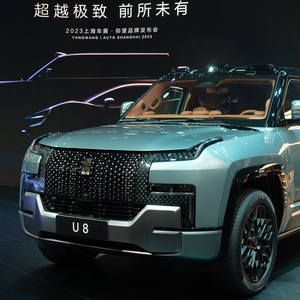
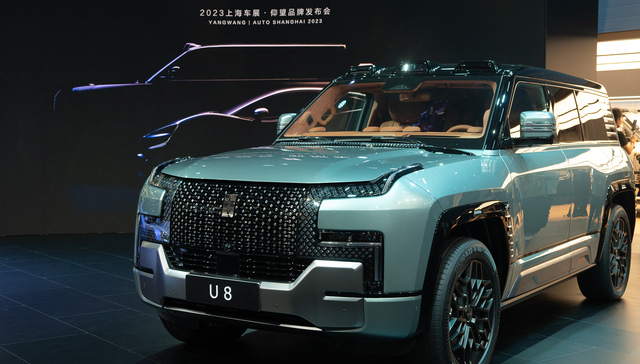
Whatever revelations are taking place elsewhere are likewise devoted to the electrical impulse that powers the exhibition this year. BYD's Yuanwang has crawled into the luxury car area and parked up beside Bentley, Lamborghini and Maserati.
At least 10 subsidiaries have distanced themselves from their nearest and dearest, including Lynk & Co, Yangwang and Zeekr. It’s a shockwave of independence that is rocking the entire automotive industry.
In addition to independent booths, these sub-brands are also planning their own media activities independently, greatly increasing the workload on overstretched reporters, while going their own way in terms of branding and marketing.
Free at last!
NEVs brands associated with traditional automakers must detoxify themselves from lingering ICE fumes. BYD, which owns multiple brands, organized four media events during the show.
Polestar, which has close ties with Geely and Volvo, held its own new car launch. Executives from Dongfeng's new energy brand, Lantu, conducted “exclusive interviews.” Changan's new energy brand, Changan Shenlan, officially changed its name to Shenlan, in order to establish a clearer market positioning.
Cutting ties with the stereotypes of traditional automakers can help brands reshape their image, clarify their market positioning, and gain opportunities.
New route to the customer
After separation, sub-brands must build their own sales channels.
Great Wall Motor’s Haval brand has an online sales channel "Haval Dragon." EVs are sold completely separately from traditional fuel vehicles.
An independent sales channel greatly eases transformation. SUN Shaojun, the founder of Chefans, reckons that the keys to a successful transition and a completely new team, new products, and a fresh sales channel.