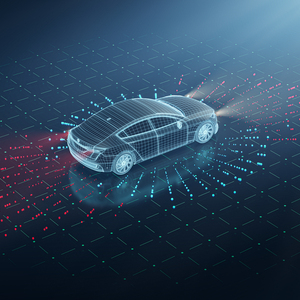



By WU Yangyu
Autonomous driving in China is moving into a more orderly stage, with some basic legislation now in place. Strategies for the Innovative Development of Intelligent Vehicles published in 2020, is a guide to the development of smart cars in China.
In Guangzhou, a pilot program permits self-driving vehicles within a designated area in Nansha District. In Shanghai, by 2025, the city will have created a system for the development of intelligent vehicles worth 500 billion yuan (US$70 billion). In Beijing, road trials of unmanned vehicles are ongoing.
Regulations for intelligent connected vehicles (ICVs) were introduced in Shenzhen Special Economic Zone in July this year. They are the first regulations that provide relatively clear provisions for self-driving vehicles in the form of legislation. XPeng CEO He Xiaopeng has called the rules "a milestone worth recording in the history of autonomous driving in China."
However, the new rules do not please everyone. Chip companies think the government should pay for their research and development. They claim that chips are the most important part of the car and the most vulnerable to attack and that someone else should pay for information security.
Pony and WeRide, companies providing technology and services, have been set up in Guangzhou. Neighboring Shenzhen has other new companies like Deeproute and AutoX. Several R&D centers are located here in Beijing.
Like Shanghai, the Yangtze River Delta, relies heavily on the auto-parts supply chain. Traditional brands such as BAIC still occupy important positions.