

By XIE Yixin
Everyone, it seems, is suddenly heading for Hainan, China’s answer to Dubai, but with much better beaches. Sales of flights, rooms and all kinds of deals have almost doubled in two weeks.
A Hainan pick-up driver told Jiemian News that in the fortnight, he has been working flat out, delivering tourists to their hotels.
Small is beautiful
It’s a similar story across the country. In Xinjiang, three times more tourists arrived in July than in June, though only about half of star-rated hotel rooms are occupied.
Chenxi, head of Xinjiang Fulilai Travel Agency, told Jiemian News that the company’s small customized tours for five to 10 people cost about 10,000 yuan (US$1500) per head. This month, the company has seen new tour groups every day.
“Most customers expect to live in good places throughout the trip, so we cannot receive many tourists at once.”
In the past two years, there has been a huge loss of jobs in the travel industry, an industry heavily reliant on migrant workers, so it can be hard to find a driver or a cleaner. Small and medium-sized travel agencies are suffering “a lack of houses, cars, drivers and tour guides”.
Large-group tours have all but disappeared, replaced by high-end quality tours and small-group tours, which rarely cost less than 7,000 yuan. Demand for high-end and stylish accommodation is huge, and it is difficult to book.
Sudden decisions
WANG Jiantong of Yeyin Wine Management also owns 20 properties in Anji. Even in the off-season, the room price of most of Yeyin doesn’t fall much below 600 yuan. This summer, the price is 1,600 yuan. Meanwhile, his wine-related products are barely 40 percent booked
Most people now book just before the start of the trip, sometimes only three days in advance. It used to be about a month. People are also turning up at their destinations and then deciding what to do, rather than arriving already in the vice-like grip of an itinerary.
Many believe that the risk of the trip being affected by the pandemic is still significant. Operators tend to persuade customers from medium and high-risk pandemic areas to withdraw because the real risks for both sides are difficult to control. On the other hand, for large travel companies such as CYTS, those who travel in compliance with pandemic regulations, are entitled to use their services.
Better, but not much
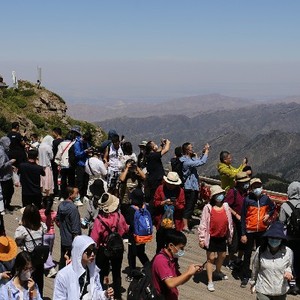
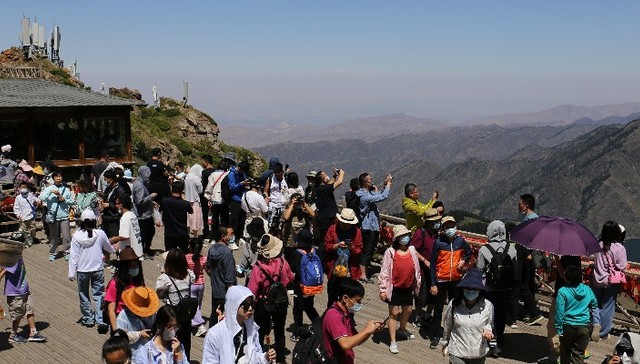
Summer tourism may have recovered a lot compared with the spring, but it is nowhere near pre-pandemic levels. The industry will only fully recover when cross-provincial and outbound travel is fully open. Restrictions mean the loss of customers, particularly from Beijing and Shanghai, two places with strong spending power and willingness to travel.
More and more tourists are avoiding tours altogether, hiring cars and making their own way to wherever they fancy.