

By ZHOU Shuqi
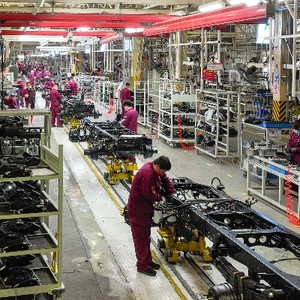
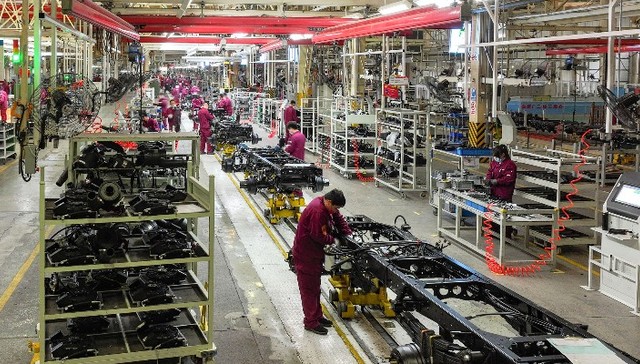
“Anywhere, any time of the day, I’m either trying to find parts, or trying to find workers, or both,” said a supply chain manager of an automobile manufacturer. Car makers across China, already battered by shipping delays and the global semiconductor crunch, are now in the middle of an epic car part shortage, triggered by the Shanghai lockdown and not made any better by the just-in-time supply chain.
Shanghai makes more than one in 10 of China’s cars. Billion-dollar-car part companies have thousands of suppliers. The alarm went off in the middle of spring, and now as reopening starts, shortages are everywhere. Li Auto made 4,000 cars in April. Almost all of its suppliers are in Shanghai. Nio managed 5,000, getting by on leftover inventory.
Swings and roundabouts
A Nissan factory in Guangzhou almost shut down in April due to poor supply from Shanghai. GWM and Chang'an reduced or halted production. ZF Friedrichshafen has been unable to deliver and a factory owner who makes parts for hydrogen fuel cells is driving a minivan, looking for electric cables. A Bosch ESP chip used in more than two-thirds of cars once cost less than two dollars. It now costs thousands.
The scramble has made the auto industry wonder whether it’s time to rethink the just-in-time philosophy it has pursued since the 1980s. Car parts are delivered as needed saving time and money wasted in storing and maintaining them. With severe shortages, huge price swings and long delays, no one knows when anything might show up. Carmakers used to make plans for the next week, or month at most. Now projections change on a daily or even hourly basis.
Car makers such as BYD, who own part of their supply chain, have been less troubled which throws the burden on startups. Companies have resorted to stockpiling. A battery maker has at least a month’s supply of raw materials, and every inch of storage space is in use. For critical parts, orders have to be placed six months or even a year in advance.
Search for classier chassis
Some companies have started looking for suppliers outside Shanghai. It’s another short-term solution. Big companies have partnered with small, exclusive suppliers instead of spreading risk among many. Smaller companies are clinging onto just-in-time through digitization, which allows them to track progress and troubleshoot, a practice increasingly adopted by traditional car makers
Reducing the number of parts might help. The easiest way is to make fewer models, which means less design. A more elegant and futuristic solution is to make cars that use fewer parts. An example is Tesla’s Model 3, whose underbody, instead of having over 70 steel and aluminum parts stamped together, consists only of two huge pieces of cast metal. It is also experimenting with a technology that welds the battery, chassis and underbody together. These technologies, when widely adopted, will probably obsolete entire chunks in the current supply chain and kill jobs. But car makers are already researching.