

By XUE Bingbing
Being an airline pilot used to be seen as a dream job. They were well paid and could live more or less wherever they chose, keeping their living costs as low as they wished.
During the pandemic, the entire industry has looped the loop. It’s cargo pilots who are now the subject of envy. Passenger traffic has declined, but while the earthly supply chain has been stretched and strained, the skies have never been fuller of online shopping and industrial necessities.
All about the hours
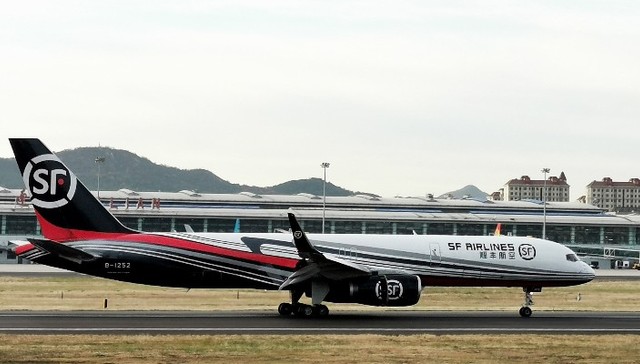
Cargo pilots used to fly 25 hours a month. Lately, it’s been at least 40. And there are not enough pilots to go around. SF Airlines hired 61 pilots last year, 45 of them captains, taking the corps to 590.
Most of them came from passenger airlines. Pilots prefer to fly passengers, become captains first, and then switch to cargo. Although the skills are similar, it takes longer to become a captain on cargo flights. Most are at night and hours accumulate slowly. It takes about five years to qualify on passenger aircraft, for cargo, at least seven. Co-pilots are paid about the same at each, but captains can get a significant raise by switching jobs. Transition – getting familiar with aircraft configurations and routes- takes up to a year.
Pilots are paid a monthly base plus hourly bonuses. It’s basically about those extra hours. Cargo pilots typically work three days a week compared to passengers’ four, principally because of the extra pressures of working overnight.
At SF Airlines, salaries start at 10,000 yuan (US$1,500) a month for junior co-pilots. The number goes up to 50,000 yuan as they accumulate experience, and jumps to 80,000 yuan or more as captain. Senior captains are paid up to 180,000 yuan a month.
More than money
Pilots choose to fly cargo because of the light workload - three nights a week and they are done. But due to the irregular hours, exhaustion and burnout are common. The Civil Aviation Administration of China publishes a pilot fatigue index for each airline. The number for cargo is twice as high as on passenger flights.
A pilot at China Southern Airlines said he is now paid 30 percent less than he was before the pandemic but he is attached to the job.
“I signed as a trainee before flight school, and have had opportunities to train with top institutions around the world because of the program. The pay cut hasn't had much material impact on my life. I’m ok with it,” he said.
Career is another consideration. Passenger pilots get to fly the newest aircraft. Many cargo planes are converted from older ones. Adapting to new schedules and new teams also entails disruption and uncertainty, neither conducive to career advancement.
"It takes years at the same job to be really good at it. Switching jobs disrupts the progress," a pilot said.