

By QIAO Qidi
Domestic sports-fashion brands Li-Ning and Anta posted 60 percent sales increases last year - revenue of 100 billion yuan ($15.7 billion) between them. Xtep made 10 billion yuan, 361 Degrees International 6 billion yuan.
In 2021, international brands curried much disfavor in China over Xinjiang cotton. Despite global revenue of $44 billion, Nike’s income in China continued to decline. Q3 results showed Greater China down just over 5 percent year-over-year, the only negative growth region. Adidas is in the same trouble, with sales shrinking for three consecutive quarters, a dip of about 3 billion yuan in Q4 alone.
In 2020, Anta and Li-Ning saw year-on-year growth of only 4.7 percent and 4.2 percent, halting years of rapid growth. In the following fiscal year, they delivered year-on-year gains of 56.1 percent and 38.9 percent, respectively. While downside risk for international giants persisted, Chinese sports brands ate up market dividends across the board.
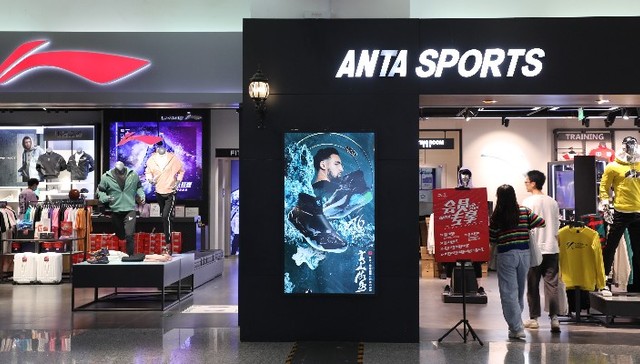
The battle between domestic brands is almost mute, as the two biggest divvy up 100 billion yuan between them. Olympic sponsor Anta Group (Anata, FILA, DESCENTE, Salomon and Atomic) has been the biggest Chinese sportswear brand for ten years. Li-Ning is growing fast overseas.
In 2020, FILA contributed about half of the group's revenue. In 2021 the largest contributor was Anta, itself now bringing in a bit less than half.
China’s sports brands have gone through a year of transition in 2021. Domestic brands all but dominate the local market, but, what’s next?
The core of the global sports consumer market is no different from any other, which will come down to product power, brand power, and overall efficiency of operations.