

By HUANG Yu
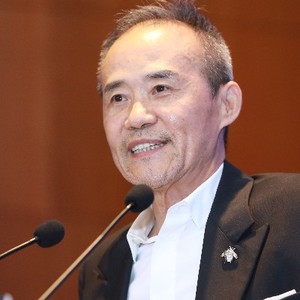
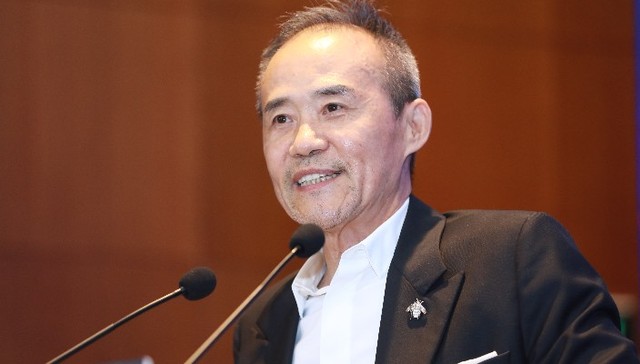
Five years after retiring, WANG Shi, the 71-year-old founder of real estate developer Vanke plans to list a Cayman Islands SPAC (special-purpose acquisition company) named Destone Acquisition in Hong Kong. Destone Acquisition will deal in green technology and sustainable consumer products. Wang controls 65 percent of the company. The other 35 percent is controlled by an asset management firm.
A SPAC raises money through an IPO with the sole purpose of taking another private company public by acquiring it. SPACs are subject to less regulatory oversight. Hong Kong allowed such listings in January and at least ten companies have applied. There is no news of which company Wang will target.
Destone Acquisition incurred HK$3.4 million (US$430,000) in expenses last year and has net liabilities of HK$3.2 million. Hong Kong requires each SPAC to raise at least HK$1 billion in its initial offering.
The company seeks high-growth startups in the Asia-Pacific region with the aim of “increasing consumer awareness of sustainable practices and improving the well-being of society and individuals.”
Wang has kept a low profile since retiring in 2017 but is an active advocate for carbon neutrality. In an autobiography published in 2019, he wrote that the real estate boom was over.
According to rules at the Hong Kong Stock Exchange, Destone Acquisition has to identify a target within 24 months of its IPO and close the acquisition within 36 months or return the money to investors. the stock price of the SPAC is completely tied to the performance of the target.
Since the 1980s, the SPAC market has largely been used to evade regulation. Already a very high-risk investment, the situation has been made more perilous yet by a sudden boom in US interest due to loose post-pandemic monetary policy. Low standards of information disclosure generate precipitous levels of risk.
Chinese companies use SPAC to access US capital. Ucommune was listed on NASDAQ through a SPAC merger with Orisun Acquisition in November 2021, after withdrawing its own IPO application, but its valuation has since fallen to next to nothing, dropping from US$8.3 to US$0.28.