

By WU Rong
China’s middle class is a coffee-drinking class. According to Deloitte, two-thirds of office workers in first and second tier cities are habitual coffee drinkers, consuming an average of over 300 cups a year. Coffee shops are squeezing themselves into every possible space.
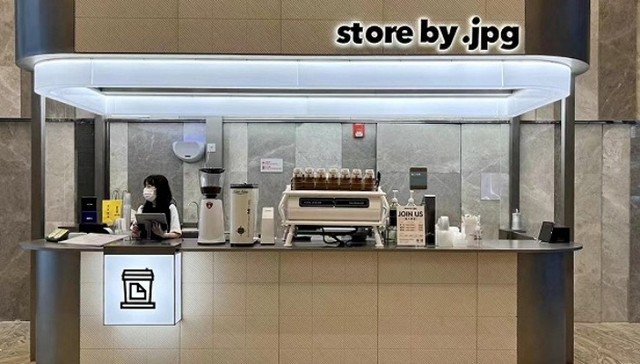
There are four coffee shops in the lobby of the IAPM Mall in Shanghai alone. In some buildings in Guangzhou, there are pick-up stores in the lobby and coffee machines on the upper floors. These stores turn over around 400 cups, or 20,000 yuan (US$3,000) a day. To make a profit, a downtown Shanghai coffee shop needs 100 cups a day.
Office lobbies are cost-effective. "If we assume 20,000 people come and go, the building needs only 10 percent of them to secure a pretty nice deal," said ZHUANG Beiqi of Jones Lang LaSalle Incorporated.
The rental of the lobbies is affordable and it has a stable customer base. The price to open a coffee shop in GT Land Plaza is 600 yuan per square meter a month.
ZENG Qingqing of real estate firm Colliers said compared with those on the streets, a coffee shop in the lobby is more likely to turn passersby into customers.
However, space in prime locations is scarce, as most buildings were designed before coffee shops became must-haves. Most office buildings welcome shops chain brands such as Luckin and Starbucks for it's easier for them to get licenses. It is difficult for niche coffee boutiques to find space.