



By LU Yibei
China’s consumer startups have had a rough start to the year. Even popular brands that once seemed unstoppable are trimming their workforce and cutting costs.
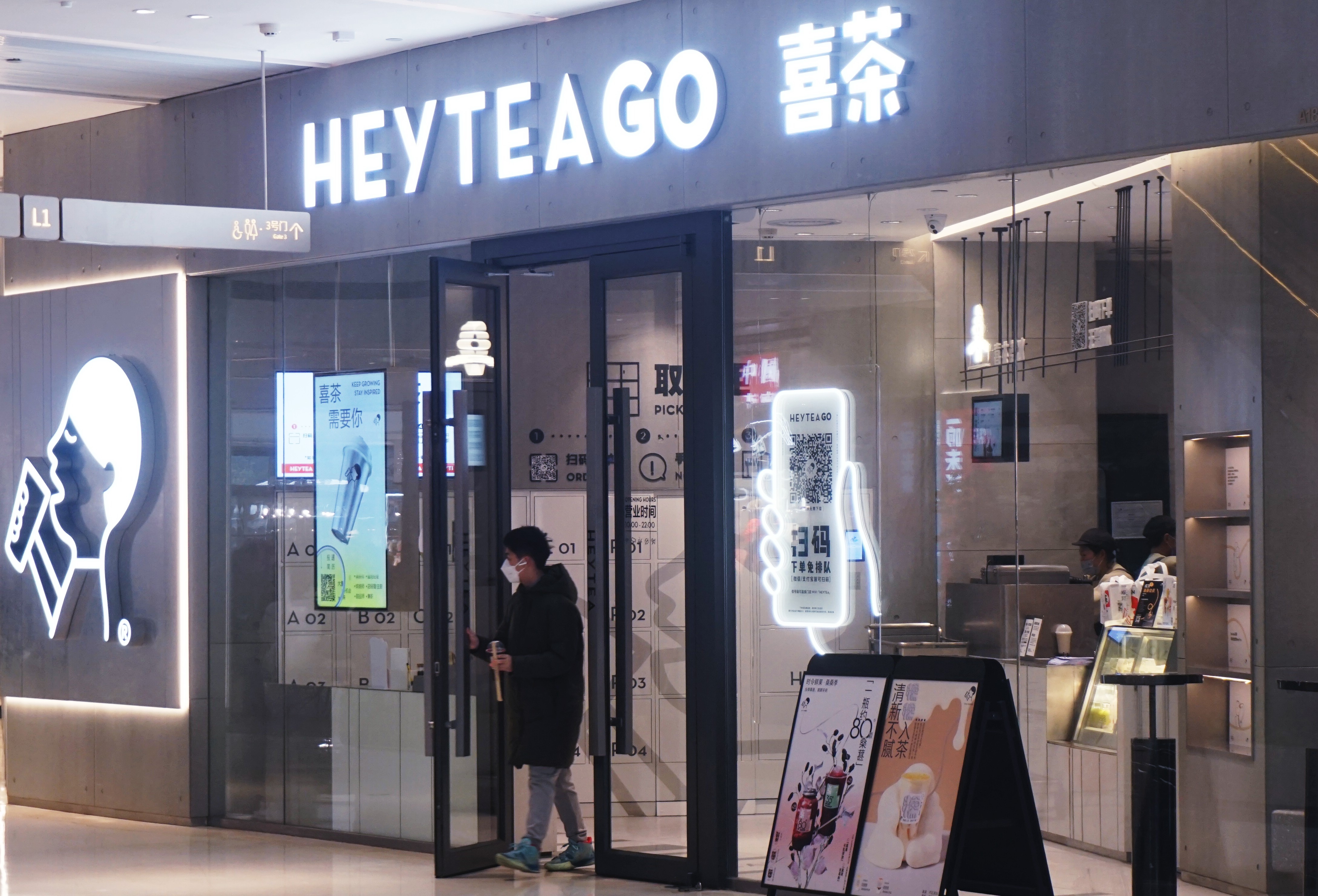
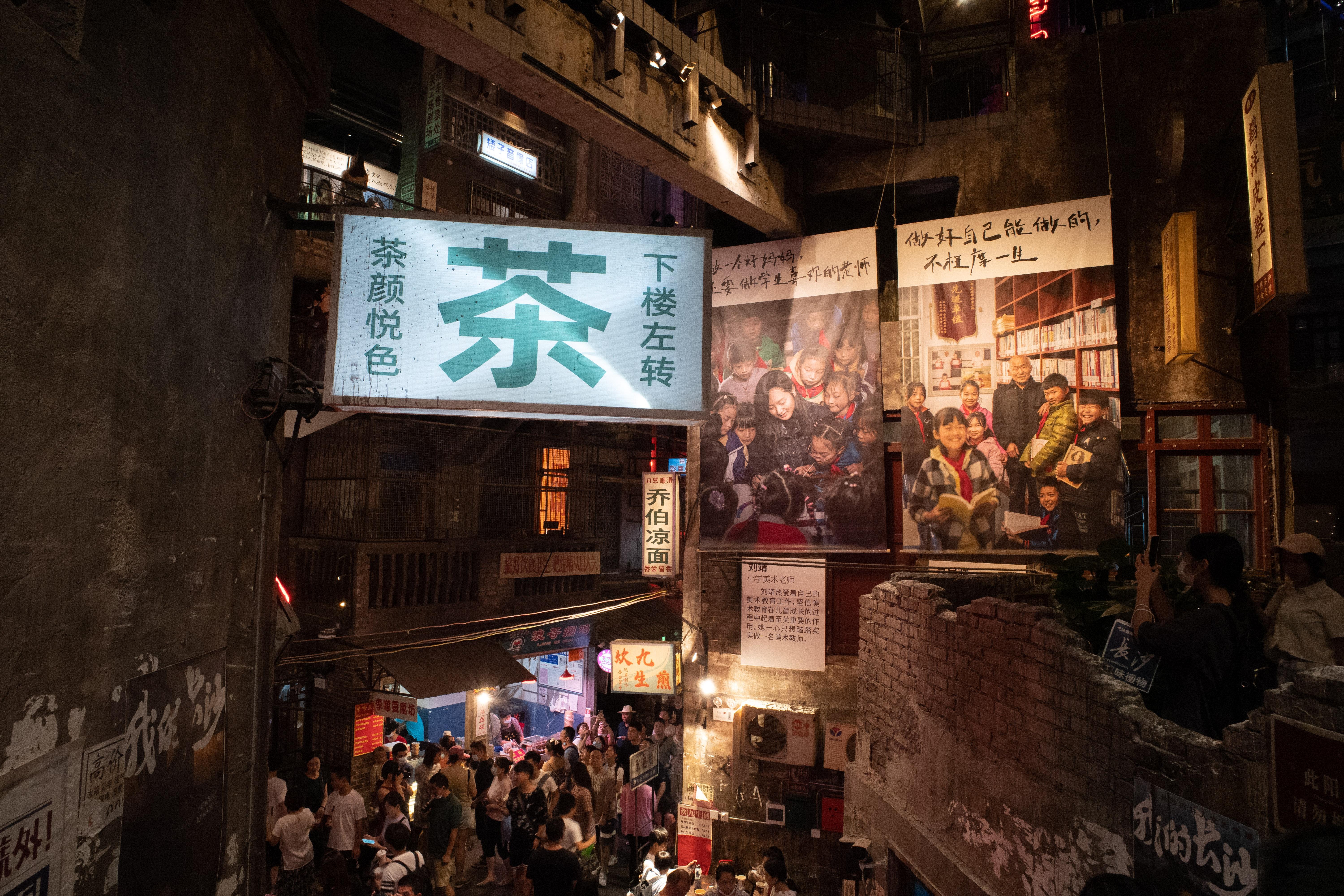
Wenheyou, known for converting dilapidated apartment buildings into food courts has all but suspended two new projects, one in Changsha the other in Nanjing. Momo Dim Sum Bureau, valued at 2 billion yuan (US$314.8 million), is said to have laid off most of its marketing staff. Hay Tea, the bubble tea chain famous for 8-hour lines outside its stores, reportedly has been letting people go since last year.
All of them say the layoffs are routine and no reason for concern, and that customers and investors should not overreact. But many think otherwise.
More, more, more…

“Layoffs are the most brutal solution to chaotic management,” a former employee at a consumer startup said. Another person who used to work at Hay Tea said as much as a third of the workforce turned over every year, even in good times.
The aggressive expansion has met inevitable slowing. Hay Tea, doubled its number of stores every year until 2020, added “only” 26 percent more last year, prioritizing sales per store instead. It recently cut prices and let go of workers not directly generating sales, such as those in IT.
Momo Dim Sum Bureau is switching from expansion to operations. The bakery completed five funding rounds in a year, the first of which was secured ten days after its first store opened in summer 2020. For a while, it was producing hit after hit. Customers waited for hours to taste its freshly baked mochi balls and Macau-style pastel de Natas. But tastes are transient, and there is no set formula to make hit products into lasting brands.
Wenheyou learned the lesson the hard way. The nostalgia-themed food courts made headlines when the first location outside its home base of Changsha opened two years ago. But the crowds thinned out quickly. Attendance at the next location in Shenzhen was underwhelming, and the Nanjing project was delayed repeatedly due to disagreement on how to adapt the Wenheyou concept to local tastes. The first rundown-apartment-building-turned food court might be exciting. The fourth one is simply a bore.
A more fundamental problem is that consumer startups, who once were able to attract throngs of customers simply by blasting ads online, are yet to figure out how to keep growing when ads become expensive and people get tired of sponsored social media posts. Companies are quick to blame tech companies, increasing competition, or the economy. Admittedly, costs are higher (Blame the pandemic!) and spending power hasn’t gone up as much. But even when market conditions were more favorable, many squandered the opportunity to build resilience and just spent more money opening more stores, acquiring more brands, and enriching more celebrities.
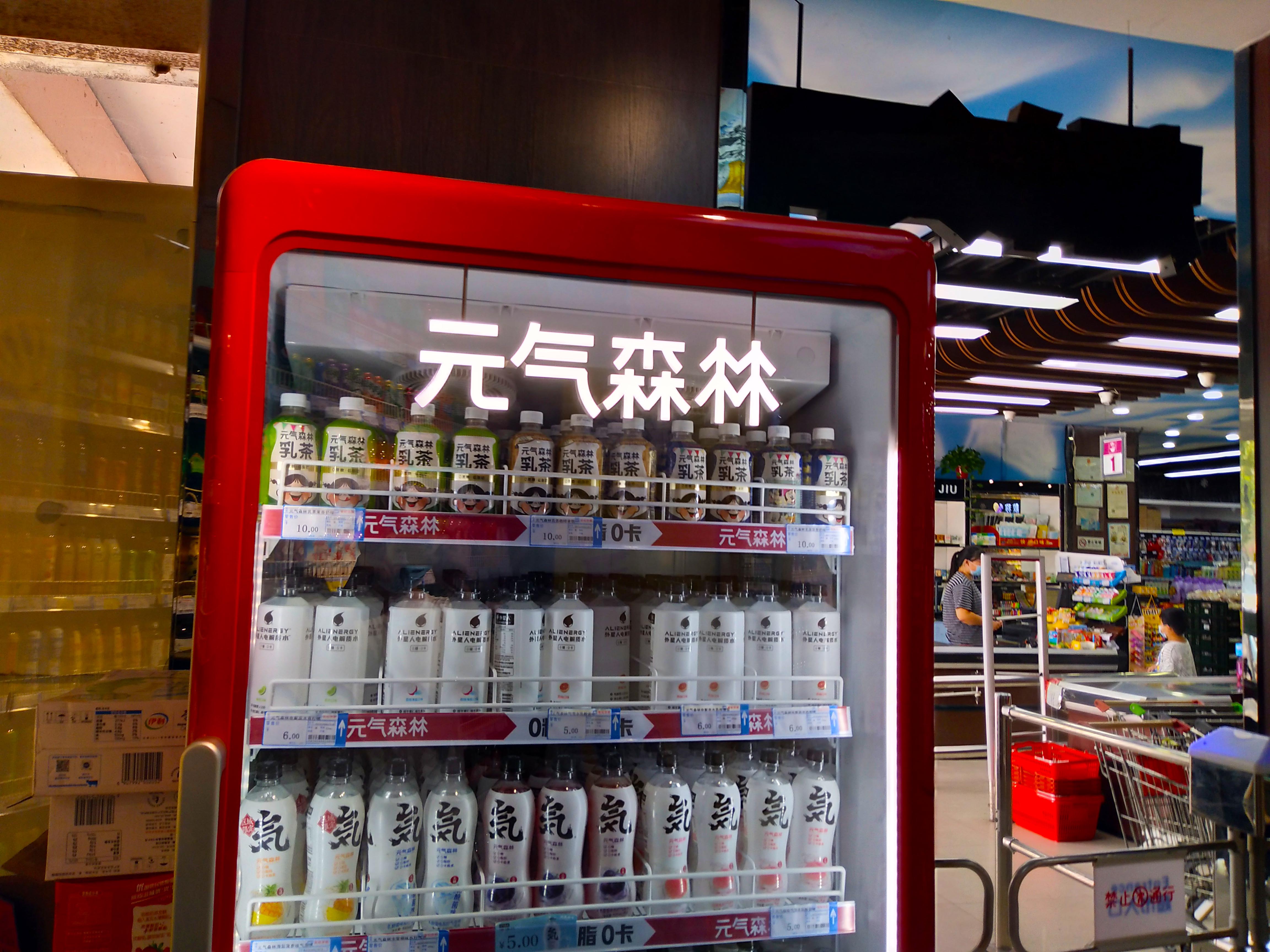
The more successful ones are catching up on less glamorous, but no less essential, tasks such as R&D, supply chain, and distribution. Genki Forest, which introduced flavored sparkling water to millions of Chinese consumers, realized that to reach the volume promised to its investors, it has no choice but to go brick-and-mortar. This means negotiating refrigeration space one bodega at a time.
What goes up…
In this way, consumer startups that got their start on social media will eventually follow the paths of traditional corporations such as Nestle, Coca-Cola, and Procter & Gamble, which, despite decades of operation in China, also need to keep reinventing themselves. Facing slowing growth in 2016, Nestle had to recalibrate product lines and consolidate distribution to reinvigorate sales.
Even in a fast-changing market such as China's, nothing can be rushed when it comes to building a consumer brand. It took the dairy giant Yili thirty years to grow to today’s 240-billion-yuan market capitalization. Other household names took even longer. Despite the current setbacks, internet-famous consumer brands may not necessarily fall as quickly as they shot to fame, as doomsayers love to predict. For startups that aspire to become the next Nestle or Yili, and the investors that cheered them on, a reckoning might be near.