

By WANG Tingting
Business at Xiling Snow Mountain has never been better. The resort on the outskirt of Chengdu is the largest in China. During the Spring Festival holiday, 80,000 skiers descended its slopes, 40 percent more than the year before.
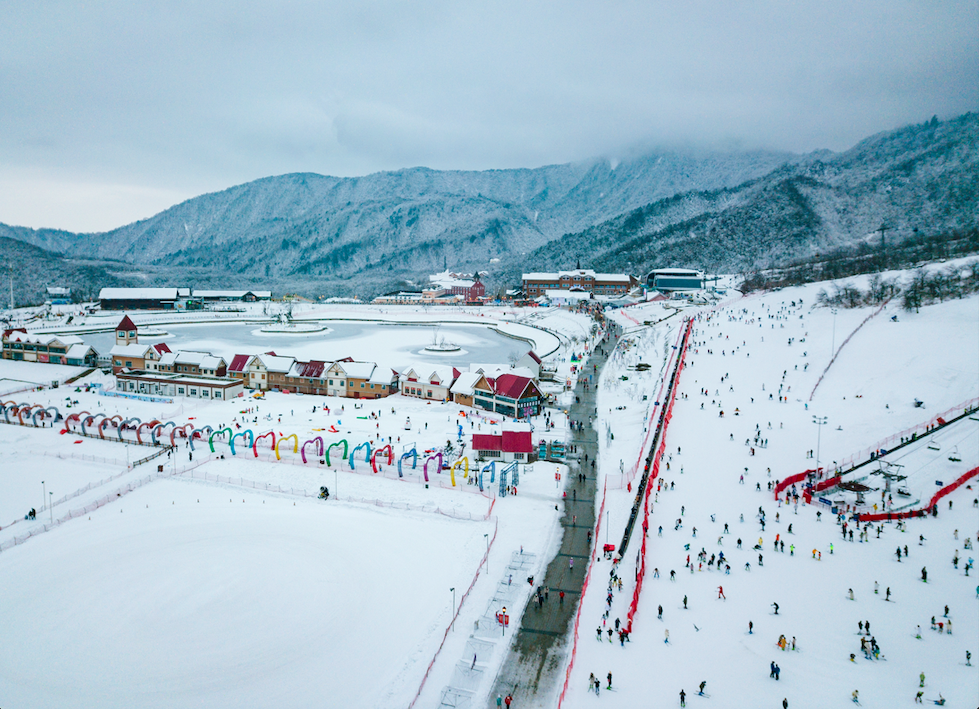
The skiing scene exploded in China in the run-up to the 2022 Bejing Olympics. More than 200 ski resorts were built from 2015 to 2019, and there are now more than 1,000. Even in the depths of the pandemic, the market remained strong, having generated 390 billion yuan (US$60 billion) in the 2020/2021 winter seasons.
But it is not just resorts. Sales of ski equipment have more than tripled to 11.7 billion yuan in the past five years. Ski schools made 6.9 billion yuan last year.
Thaiwoo Ski Resort is one of the venues for the 2022 Games. The resort sits in the mountains of Chongli, a suburban district of Zhangjiakou, which is around 200 kilometers away from Beijing. Manager LI Yongtai said the Olympics transformed business. The ski season lasts from November to April, with busy days bringing in 200 million yuan within two months. For the rest of the year, the resort hosts summer camps, festivals, and cultural events meaning revenue from the winter and summer seasons are just about the same.
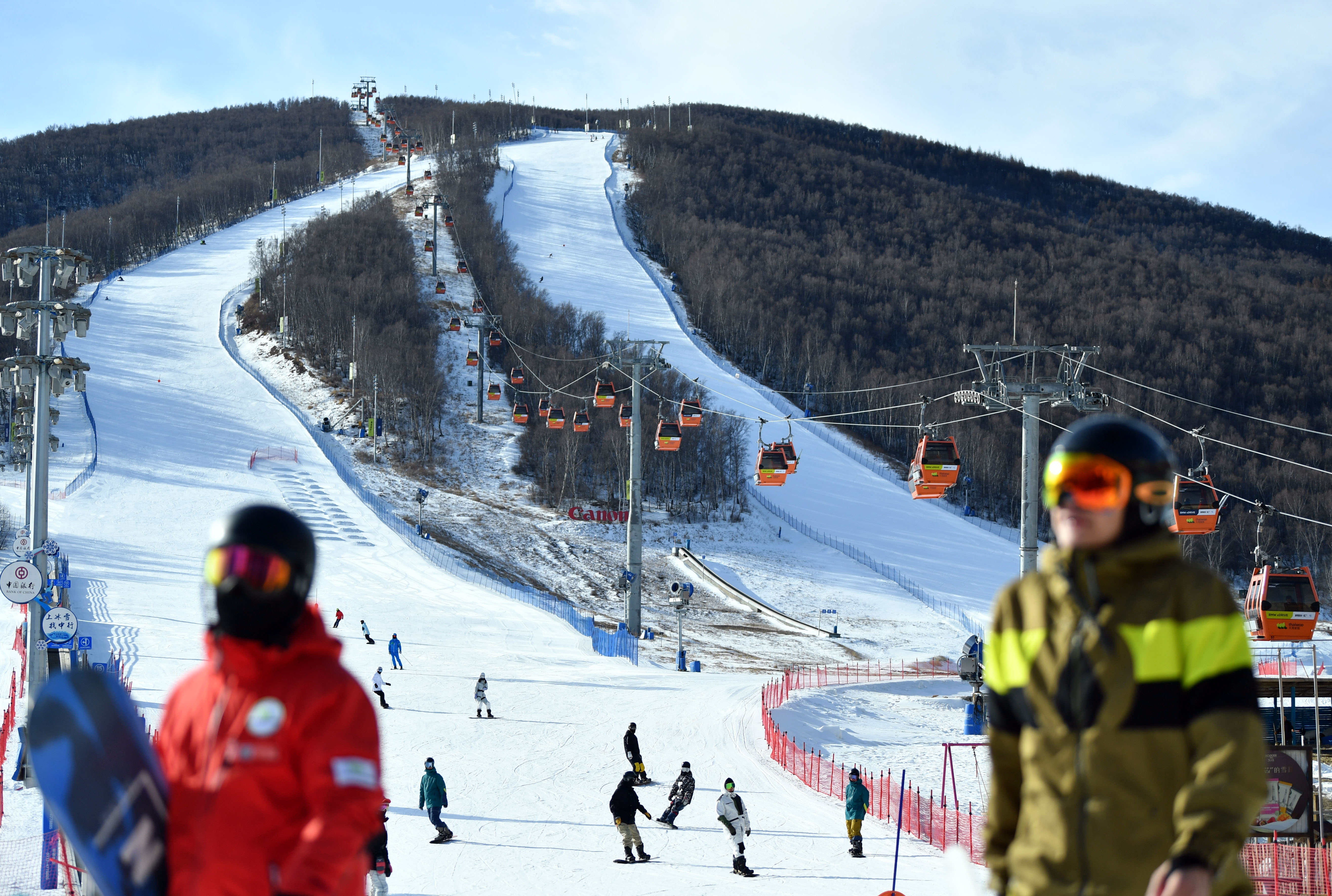
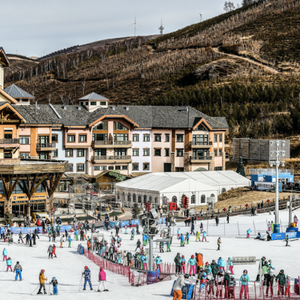
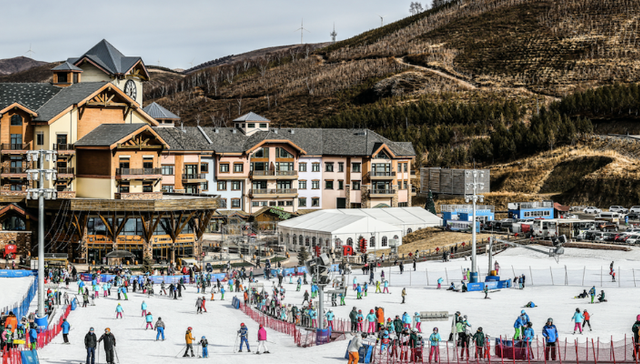
Once a poor mountain area, Chongli has been transformed by the skiing industry as about 20 percent of the locals have jobs related to winter sports. “30 years of development happened in five years,” said Li who expects a surge in visitors after the Olympics. The resort offers light shows, kids' activities and gondola rides. Other resorts are known for their epic trails, fast lifts, luxurious amenities, and personal-style ski coaching.
Resorts like Xiling and Thaiwoo often attempt to appropriate the style of Alpine ski towns for inspiration, resorts that have been hundreds of years in the making. In China, there wasn't much ski culture to speak of until recently. But both the officials and the industry are convinced that they can make China the next winter sports powerhouse.
At least 15 provinces are in on the act, providing tax incentives for businesses, grants to sports teams, and education programs for children. But the trillion-dollar question of how to get people to ski in a country with no winter sports tradition is not going to be solved by policies and mandates alone. Only 1 percent of China’s 1.4 billion people ski regularly, compared to Japan’s 9 percent and Switzerland’s 35 percent. The Winter Olympics sparked tremendous interest, but will it last?
The key, arguably, is to build resorts that people want to go to. But sustaining them will not be easy. The upfront investment and operating costs are very high. A manager at Xiling said visitor numbers haven’t grown in the past two years. Li points to high energy and labor costs, the ski resort spends 400,000 yuan on gas every day. It’s a Catch 22. People will only ski if there are fancy resorts. But fancy resorts demand a lot of skiers.