

by CHEN Yang
After an overseas dealmaking boom among China's innovative drug makers, the country's traditional medicine sector is now getting in on the act.
TCMG, a US-based company that helps commercialize traditional Chinese medicines, and Chinese drug maker Mengyang Pharmaceutical announced on July 21 that they had completed a cross-border licensing deal, Jiemian News has learned.
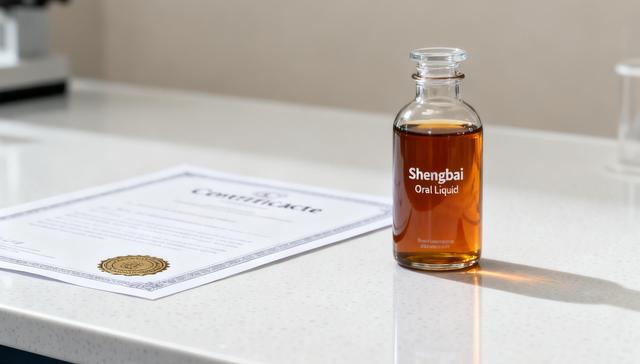
Under the agreement, TCMG will receive exclusive rights to market Shengbai Oral Liquid in the US for 20 years. Mengyang Pharmaceutical will retain ownership of the product, along with its intellectual property, development and manufacturing rights.
The deal is worth up to US$3 million, including a one-time, nonrefundable upfront payment of US$225,000 and subsequent commercial milestone payments.
The agreement also provides for potential payments of up to US million linked to the commercial rights. GAO Yuan, founder of TCMG, said the payments were tied to Mengyang Pharmaceutical's long-term agreement to supply the product exclusively.
Their eventual value will depend on the partners' US marketing arrangements, the product's competitiveness, regulatory risks and their long-term performance under the agreement, she said.
Shengbai Oral Liquid is Mengyang Pharmaceutical's main product. Based on a formula developed by SHAO Mengyang, a specialist in integrative oncology, it is used in China as a supportive treatment for low white blood cell counts caused by radiotherapy and chemotherapy.
Mengyang Pharmaceutical is the sole supplier of the product in China, according to pharmaceutical database pharnexcloud.com, Its sales across hospital channels reached 276 million yuan (US$40.7 million) in 2025, a relatively modest amount in China's market for traditional medicine oral liquids.
China's efforts to rein in public health insurance spending have also given the company an incentive to look overseas for growth.
Traditional Chinese medicines have made previous attempts to expand abroad.
The most prominent example is Tasly Pharmaceutical's Compound Danshen Dripping Pills. Tasly followed the US Food and Drug Administration's drug approval pathway and completed an international, multicenter, randomized, double-blind Phase III clinical trial.
In 2018, it partnered with Arbor Pharmaceuticals to develop the product in the US. Arbor ended the partnership in 2026, however, and the drug has yet to win US approval.
Other traditional remedies, including Angong Niuhuang Pills, Huoxiang Zhengqi Liquid and Lianhua Qingwen, have expanded into Southeast Asia. But traditional Chinese medicines have yet to achieve a significant breakthrough in the US, the world's largest pharmaceutical market.
What sets the Shengbai deal apart is the regulatory route chosen for the product.
Gao said Shengbai would enter the US as a dietary supplement rather than seek approval as a drug. The product was selected partly because there was a clear unmet need for managing side effects associated with cancer treatment, she said. Supportive cancer care is also well established in the US.
For Mengyang Pharmaceutical, the priority is to bring the product into mainstream medical practice, chairman ZHANG Min told Jiemian News. Zhang said Shengbai had completed the relevant US regulatory filings for dietary supplements.
Unlike drugs, which must undergo successive phases of clinical trials and regulatory review, dietary supplements generally face lower barriers to market entry. The route requires less time and money upfront but leaves more of the risk to the commercialization stage.
Gao said the partners were preparing for the US launch by building clinical evidence, strengthening regulatory compliance, ensuring consistent quality across batches and developing the market.
The US dietary supplement market has about 100,000 stock-keeping units, Gao said. Most are aimed at retail consumers, while a smaller share is sold through professional channels involving doctors, nurse practitioners and nutritionists.
TCMG plans to use clinical evidence to earn the confidence of healthcare professionals and reach patients through those channels. Gao said several dietary supplement brands had already shown that the approach could work.
Shengbai is effectively pursuing a middle ground: entering the US more quickly as a dietary supplement, then marketing itself more like a pharmaceutical product to build a competitive moat and command higher prices.
The strategy still faces challenges.
One is how to conduct US clinical studies and build a body of evidence that accounts for the characteristics of traditional Chinese medicine, Gao said.
Another is how to encourage use in clinical settings without breaching US regulations, as dietary supplements cannot claim to diagnose, treat, cure or prevent diseases.
Whether this middle-ground approach can succeed will ultimately depend on Shengbai's commercial performance in the US.