

by ZHU Yongling
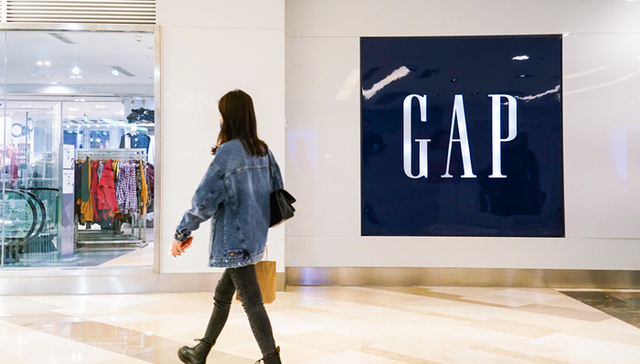
Baozun Inc. said Gap China reached quarterly breakeven for the first time in the fourth quarter of 2025, marking an early test of its pivot from e-commerce services to brand management. Profitability remains thin, with adjusted operating profit for the segment at just 1.8 million yuan (about US$26,000).
The result underscores both progress and constraints in Baozun's overhaul. After three years of restructuring Gap's China operations, the company is now shifting toward a lighter-asset expansion model to scale growth without adding pressure on margins.
Baozun said it will expand Gap using a mix of directly operated stores and "partner stores" in 2026. Under this model, the brand retains control over merchandise, pricing and store image, while local partners provide capital and handle operations — allowing faster rollout with lower upfront investment.
As of end-2025, partner stores accounted for less than 40% of Gap China's network, with the share expected to rise as the company pushes into lower-tier cities and new regions.
The strategy reflects broader financial pressure. Baozun has reported annual losses since 2021, with net loss widening to 242 million yuan in 2025, up from 185 million yuan a year earlier. High marketing costs and continued investment in its brand management business have weighed on earnings.
With limited evidence of strong same-store sales growth, expansion — particularly through partner stores — is becoming the main driver of revenue. Gap China posted growth of more than 20% in 2025, and Baozun expects a similar pace in 2026.
New stores have delivered more immediate gains. Gap opened 29 stores in 2025, and Baozun said improved site selection and merchandising helped new locations outperform older ones, with some posting double-digit efficiency gains.
At the same time, the company has tightened cost control, shifting away from large flagship stores toward mid-sized outlets of 300–500 square meters in family-oriented malls, with more flexible formats.
Execution risks remain. Gap missed its earlier target of 50 new stores in 2025, with net additions of just 12 as underperforming outlets were closed.
Baozun now plans to open more than 50 stores in 2026, with partner stores taking a larger share, alongside further expansion of e-commerce.
Whether that expansion can translate into sustainable earnings will be a key test of Baozun's brand management pivot.