

by ZHAO Xiaojuan
Yonghui Superstores Co., Ltd., one of China's largest hypermarket chains undergoing a turnaround, has publicly challenged Sam's Club over supplier exclusivity, highlighting pressure on traditional supermarket operators as China's retail sector shifts toward membership-based models and private-label competition.
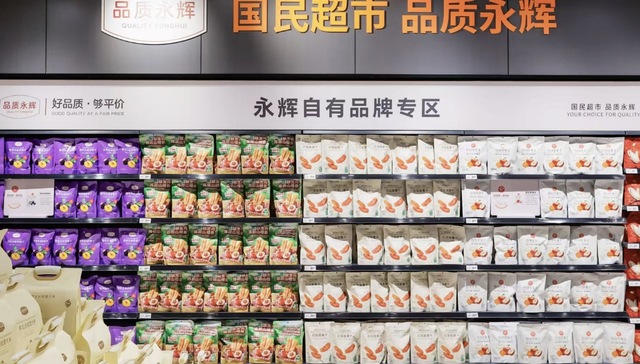
On March 16, Yonghui's private-label brand "Quality Yonghui" published an open letter to Sam's private label Member's Mark, calling for fair competition and urging suppliers not to enter exclusive supply arrangements with a single retailer.
Sam's Club did not respond directly. Suppliers said exclusivity requirements exist but are not uniformly enforced, and cooperation terms vary by product and stage of partnership.
The dispute has surfaced before. In 2021, Carrefour and Alibaba-backed Hema accused Sam's of using exclusivity clauses and supply pressure to secure supplier alignment.
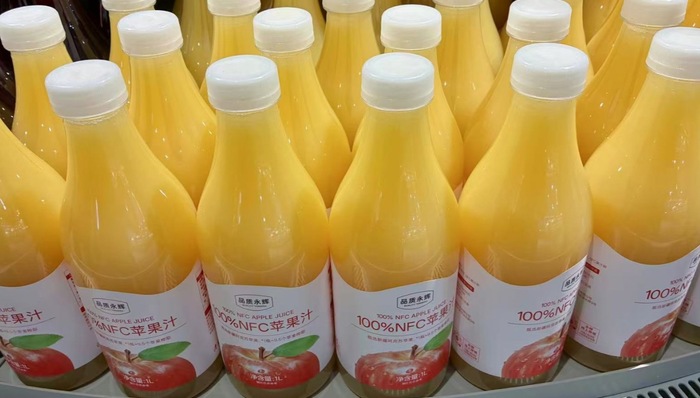
Behind the supplier dispute lies a broader shift in competition. Private-label products, once a supplementary offering, have become central to how retailers differentiate themselves and protect margins.
For Sam's Club, private label is a core strength. Its Member's Mark products accounted for more than 30% of sales in 2025, up from about 25% in 2023, These products are closely tied to its membership model, helping drive repeat purchases and customer loyalty.
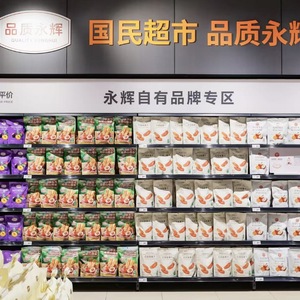
By contrast, Yonghui's private-label penetration has remained below 5%, falling to 2.75% in the first three quarters of 2024, according to company disclosures. The gap reflects not just scale but differences in operating model.
Suppliers said Sam's typically works closely with partners to co-develop products, including formulation, packaging and positioning, creating a degree of exclusivity and consistency. Some suppliers have grown alongside Sam's through long-term collaboration.
Yonghui, meanwhile, is still in the midst of restructuring. The company has been adjusting store formats and product mix, while managing a broader product range than membership-based retailers, making it harder to focus on high-volume signature products.
Some suppliers said Yonghui's store revamp has yet to translate into strong sales, raising questions about its ability to scale private-label products.
Without clear bestsellers, private-label products struggle to build recognition or improve bargaining power with suppliers, limiting Yonghui’s ability to form long-term partnerships.
In February, Yonghui CEO WANG Shoucheng said in an internal letter that the company would shift its strategic focus from scale expansion to building long-term operational capabilities, with private label identified as a key priority.
The company has identified private label as a key priority, drawing on models such as Pangdonglai to improve execution.
The latest exchange with Sam's underscores how competition in China's retail market is evolving. As membership-based formats continue to gain traction, the battleground is shifting from price and store expansion toward product control and supply chain integration.
For Yonghui, the challenge may not be whether suppliers choose sides, but whether it can close the gap in the capabilities that underpin private-label success.