

by HUANG Xinyi
Artificial intelligence moved beyond smartphone apps and into physical devices at Mobile World Congress 2026 this week, as Chinese technology companies showcased a wave of AI-powered glasses, humanoid robots and next-generation mobile hardware.
More than 2,900 companies are participating in the annual telecoms gathering in Barcelona, with over 350 from China, underscoring the country’s growing presence in global mobile and hardware innovation.
Compared with the strong focus on generative AI software in recent years, this year's show highlighted so-called "embodied AI" — devices that integrate sensing, computing and physical interaction in real-world environments.
Smartphone makers pivot to AI hardware
Chinese handset makers used the event to signal a strategic shift from conventional hardware upgrades to AI-driven interaction.
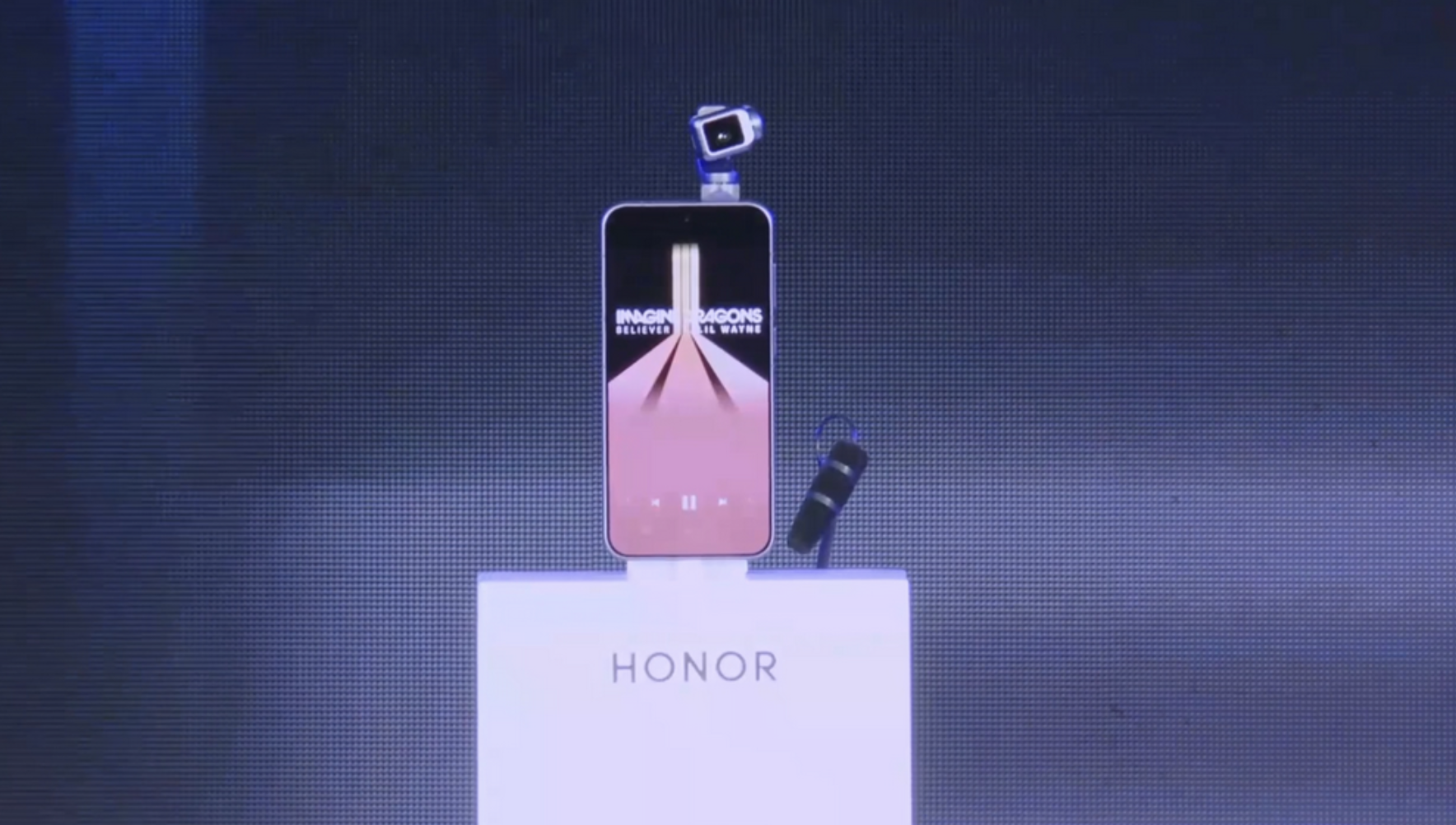
Honor unveiled a concept "Robot Phone" equipped with a motorized gimbal camera system capable of 90- and 180-degree rotation. The device integrates AI-powered object tracking and gesture-based controls, allowing users to lock focus or follow subjects automatically.
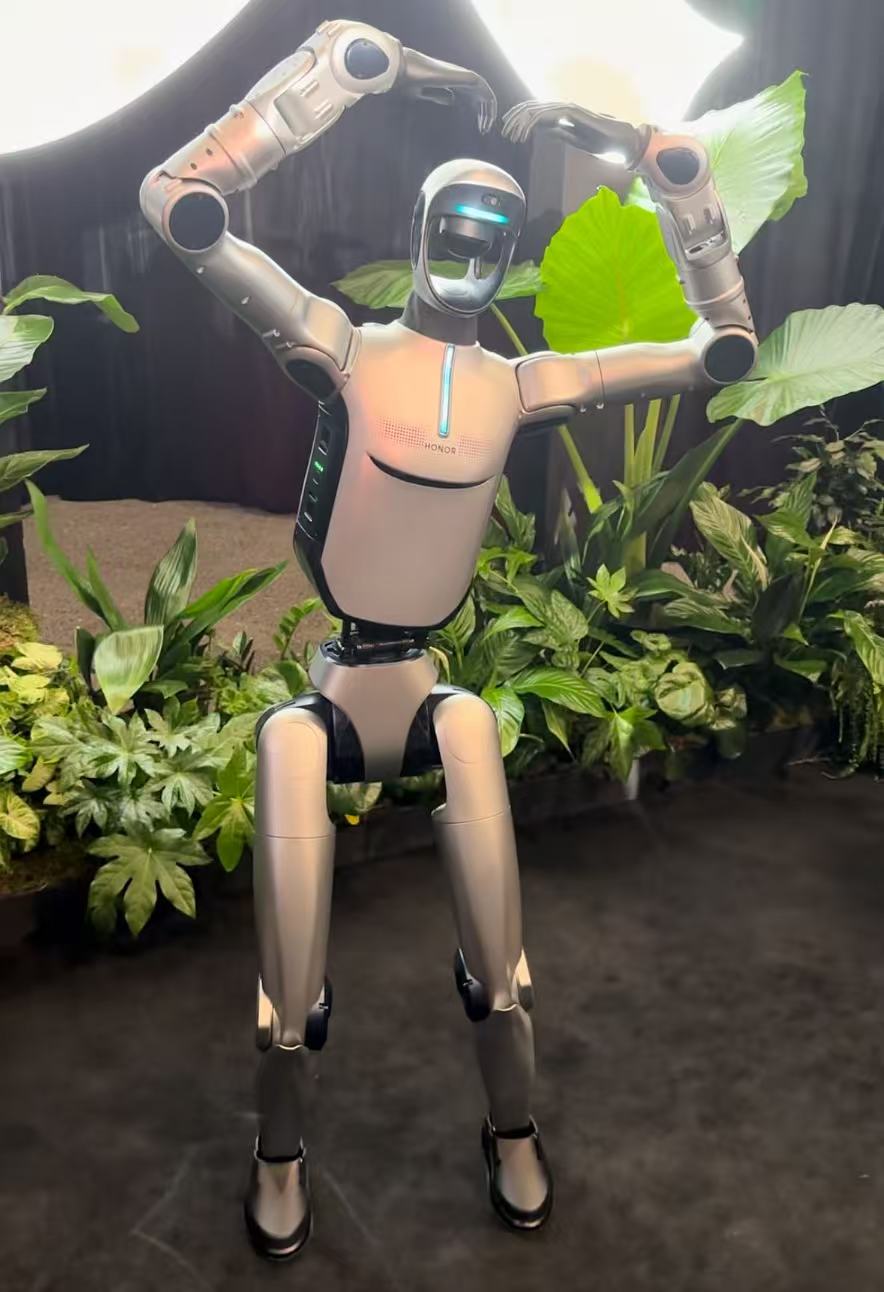
The company also demonstrated a consumer humanoid robot capable of walking, dancing and performing simple acrobatics. Honor described the project as an exploration into home companionship and service scenarios, marking one of the first attempts by a smartphone brand to expand directly into humanoid robotics.
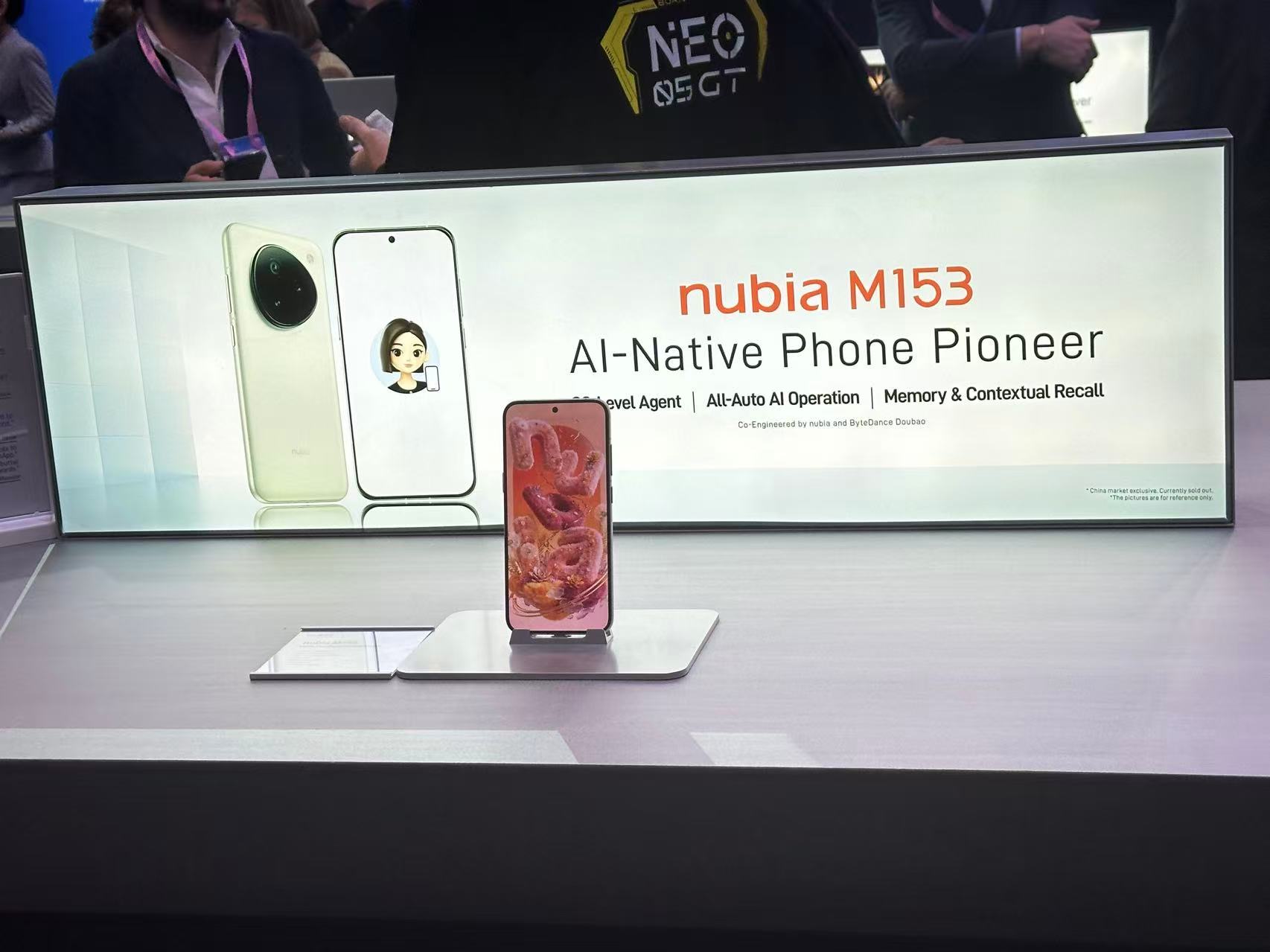
ZTE showcased AI-integrated smartphones under its Nubia brand, highlighting closer integration of AI agents at the system level. Demonstrations included automated photo retrieval, social media posting and calendar scheduling through voice commands without manual navigation.
Lenovo's Motorola unit introduced a foldable AI smartphone concept, alongside modular AI PCs and 3D display laptops, reflecting a broader industry effort to embed AI functions directly into operating systems rather than confining them to standalone apps.
AI glasses take center stage
Smart glasses emerged as a focal point at the show.
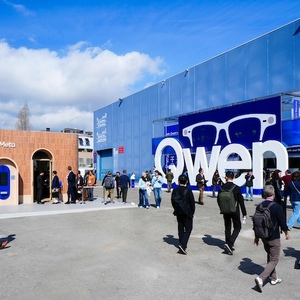
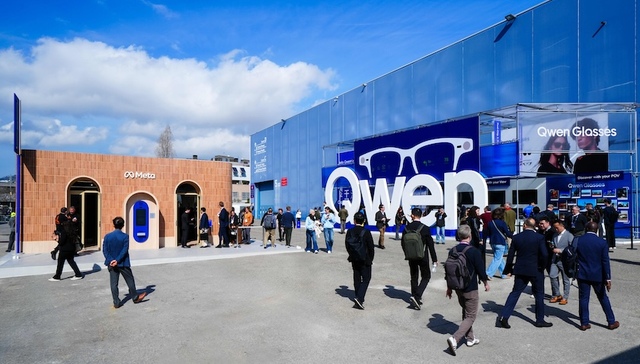
Qwen, Alibaba's AI brand, launched its first AI glasses for the consumer market, with commercial sales in China set to begin in early March and a broader global rollout planned later this year. The glasses support voice interaction, real-time translation, image capture and AI-assisted task execution.
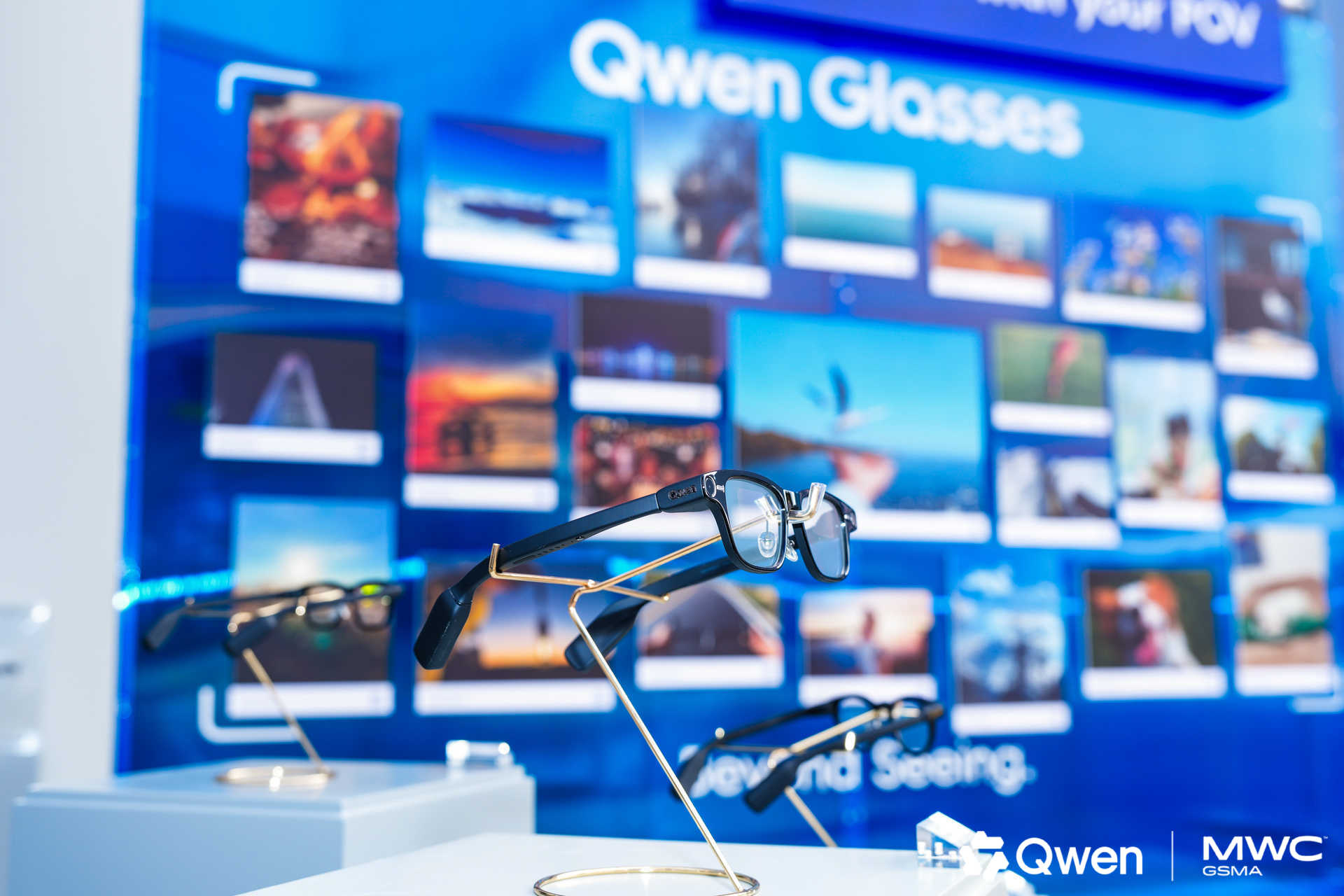
The Qwen booth was located next to Meta's display, highlighting growing competition in AI-enabled wearables.
iFlytek, a Chinese artificial intelligence company, also presented translation-focused AI glasses designed for face-to-face conversations, displaying subtitles in real time on the lens and delivering audio output through built-in speakers.
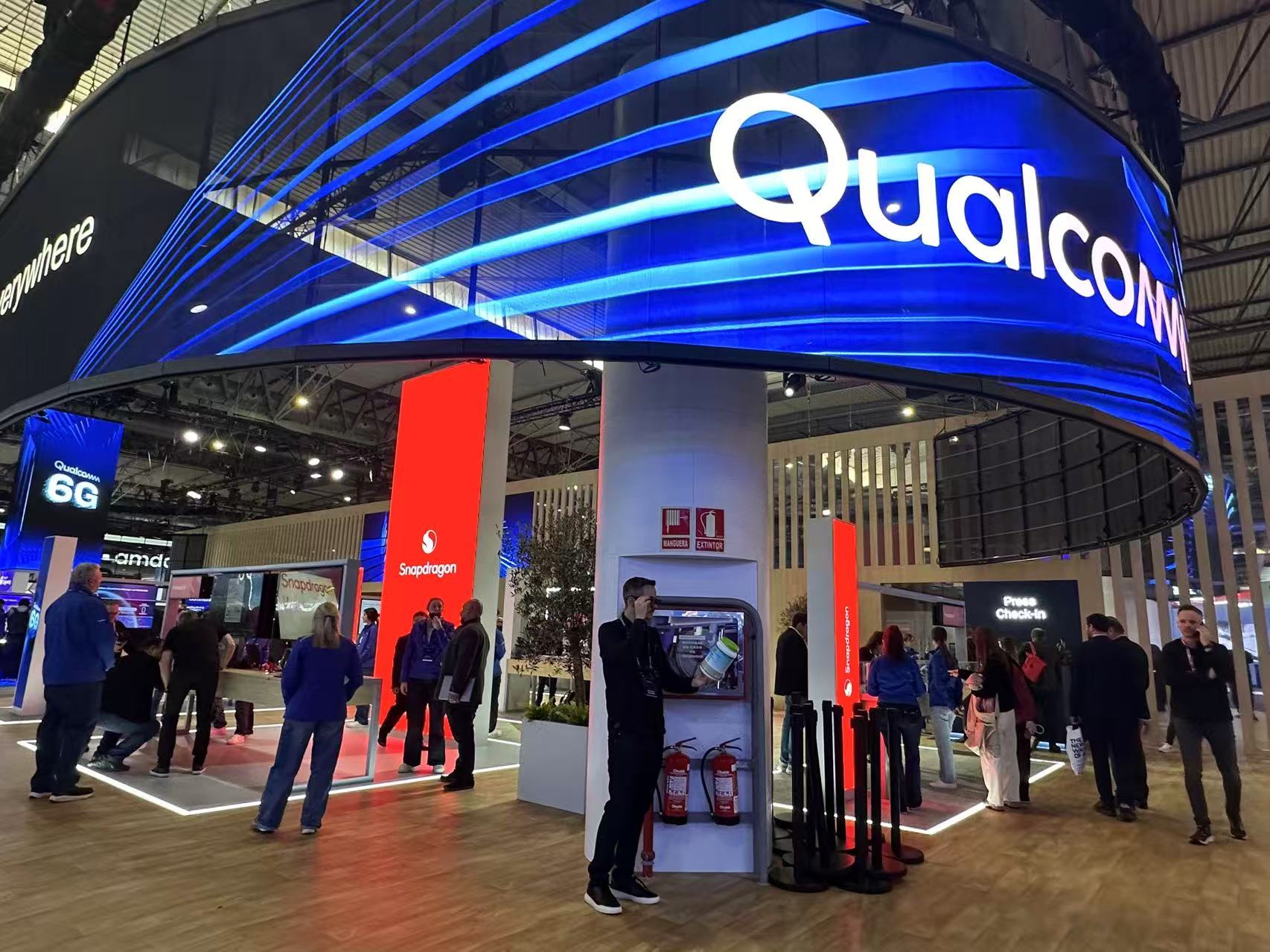
Chipmaker Qualcomm introduced a new wearable platform powered by on-device neural processing, designed to enable AI agent functions in watches and other compact devices. The platform supports real-time connectivity technologies such as 5G RedCap and ultra-low-power Wi-Fi.
Robotics meets next-generation networks
Beyond consumer gadgets, robotics companies highlighted integration with advanced wireless infrastructure.
Several Chinese robotics firms demonstrated collaborations with state telecom operators to combine 5G-Advanced (5G-A) networks with embodied AI systems. Executives said higher uplink bandwidth and lower latency enable robots to upload multi-sensor data to cloud-based AI models in real time, improving motion control and coordination.
One company presented a joint "6G plus quadruped robot" concept incorporating high-precision positioning and AI-native network capabilities. Others displayed humanoid robots and industrial solutions aimed at service, inspection and high-risk environments.
Industry observers say the convergence of AI models, edge computing and next-generation mobile networks is reshaping the mobile ecosystem beyond handsets.
"Mobile infrastructure is evolving from connecting people to connecting intelligent agents," one robotics executive said at the event. "AI devices require not just computation but real-time coordination between sensing, processing and action."
Mass adoption of AI glasses and humanoid robots remains uncertain. But MWC 2026 underscored a clear industry shift toward embedding AI directly into hardware — a transition that could redefine the mobile ecosystem beyond smartphones.