

by LI Kewen
China has broadened access to innovative therapies by adding 114 medicines to its 2025 National Reimbursement Drug List (NRDL), the national formulary that determines which drugs qualify for state insurance coverage, and by launching its first national commercial-insurance list for high-cost treatments, a significant step toward a more structured multi-tier payment system.
The NRDL update includes 50 Class-1 innovative drugs — new molecular entities developed in China and not previously approved worldwide — reflecting an 88% acceptance rate for products submitted for reimbursement, up from 76% last year.
Eli Lilly, AstraZeneca and GSK also gained new NRDL listings across major therapeutic areas. Inclusion typically requires steep price cuts but unlocks nationwide coverage and substantial volume gains.
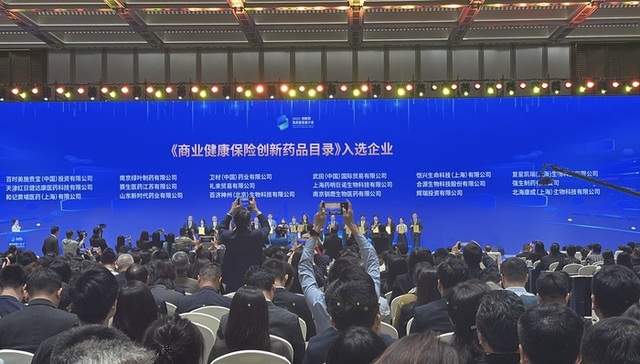
A more structural shift came with the rollout of the new commercial-insurance list, a framework that defines which advanced therapies private insurers can cover nationwide. Authorities selected 19 high-value therapies through formal assessments of clinical benefit and pricing, including five China-developed CAR-T treatments and Alzheimer's drugs from Eisai and Eli Lilly. Industry executives said required discounts generally ranged from 15% to 50%, depending on assessed value and expected budget impact.
The framework creates China's first standardized national pool of innovative therapies for commercial insurers, replacing fragmented city-level Huiminbao products — low-cost municipal supplemental health plans often backed by local governments — that previously negotiated independently and lacked unified evaluation criteria. Insurers are expected to integrate the selected drugs into Huiminbao-type policies and other supplementary commercial medical plans.
Executives say the system reduces uncertainty for insurers, eases hospitals' reluctance to use expensive treatments and offers patients an additional payment channel beyond the NRDL. Analysts caution that implementation remains at an early stage and that overlapping coverage and relatively high operating costs still constrain China's commercial-insurance market. Huiminbao products are expected to adopt the new list first.
The dual-directory reform highlights Beijing's effort to expand access to breakthrough therapies and increase predictability for pharmaceutical companies as China accelerates the uptake of high-value innovative drugs.