

by XIAO Fang
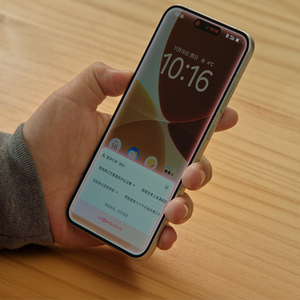
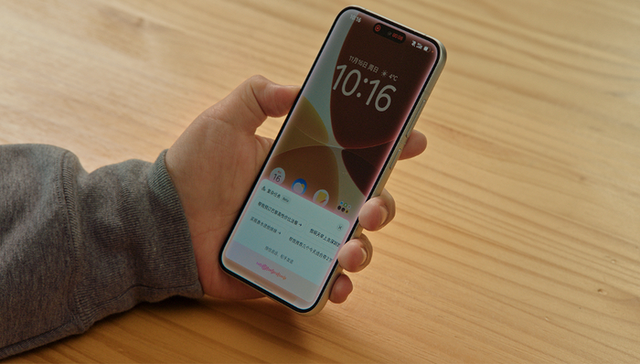
ByteDance has taken its first public step toward an AI-driven smartphone operating layer, releasing a limited developer preview of its Doubao Phone Assistant on a prototype device built by nubia, the smartphone brand owned by ZTE. The model, priced at 3,499 yuan (about US$500), is not a ByteDance handset but a testing platform aimed at developers and early adopters.
Doubao, ByteDance's in-house AI model and assistant system, acts as an intelligent control layer on Android phones. Users can activate it via voice, a side button or ByteDance's Ola Friend earbuds. Beyond handling calls and screen-sharing, the assistant can complete tasks inside third-party apps—such as comparing prices on Taobao, JD.com and Meituan and placing the cheapest order—by navigating interfaces on the user's behalf.
The company said it is in talks with multiple smartphone makers to embed Doubao through "ecosystem cooperation," hoping the assistant can become a primary entry point for AI-native phone features. China's major Android brands—including Xiaomi, vivo and Huawei—collectively dominate the domestic market, and whether any will adopt Doubao remains unclear.
The preview generated immediate interest. ZTE sold out the initial batch within a day, and units have appeared on the secondhand marketplace Xianyu—Alibaba's used-goods platform—at markups of 700–1,500 yuan.
A senior executive at a major AI model company told Jiemian News the industry broadly expects AI to reshape how people interact with devices, but "there is still no agreement on whether smartphones remain the main terminal or whether new hardware will assume that role."
Tech companies are now pursuing two strategies. One keeps the smartphone at the center. Apple, for example, has announced Apple Intelligence and plans to incorporate Chinese large-language models from Alibaba and Baidu for users in China, though the system has not yet launched in China.
The second strategy explores new devices. Alibaba recently unveiled its Quark AI Glasses, joining earlier attempts by Meta, Xiaomi and Baidu to push AI hardware beyond phones. After the launch, Quark's smart-device chief SONG Gang said AI operating systems would "reshape the hardware industry over time" but noted that glasses will not displace smartphones immediately.
Still, the path for phone-based AI systems is politically and commercially complicated. No major handset maker is eager to cede system-level control to an outside partner, as the interface layer determines what users see and how apps compete for attention—a valuable position in China's tightly contested mobile ecosystem.
App-level control may prove another hurdle. Early reviewers found that Doubao's automated in-app actions could undercut the business models of e-commerce platforms, which rely on controlling search flows and ad traffic. Such concerns have previously led Chinese platforms to block web crawlers and restrict external automation tools.
Even with these uncertainties, ByteDance's move is expected to trigger further competition in AI-native operating systems. As Chinese tech companies reconsider how users interact with apps and devices in the generative-AI era, the race to define the next major interface—whether on phones or new hardware—is only just beginning.